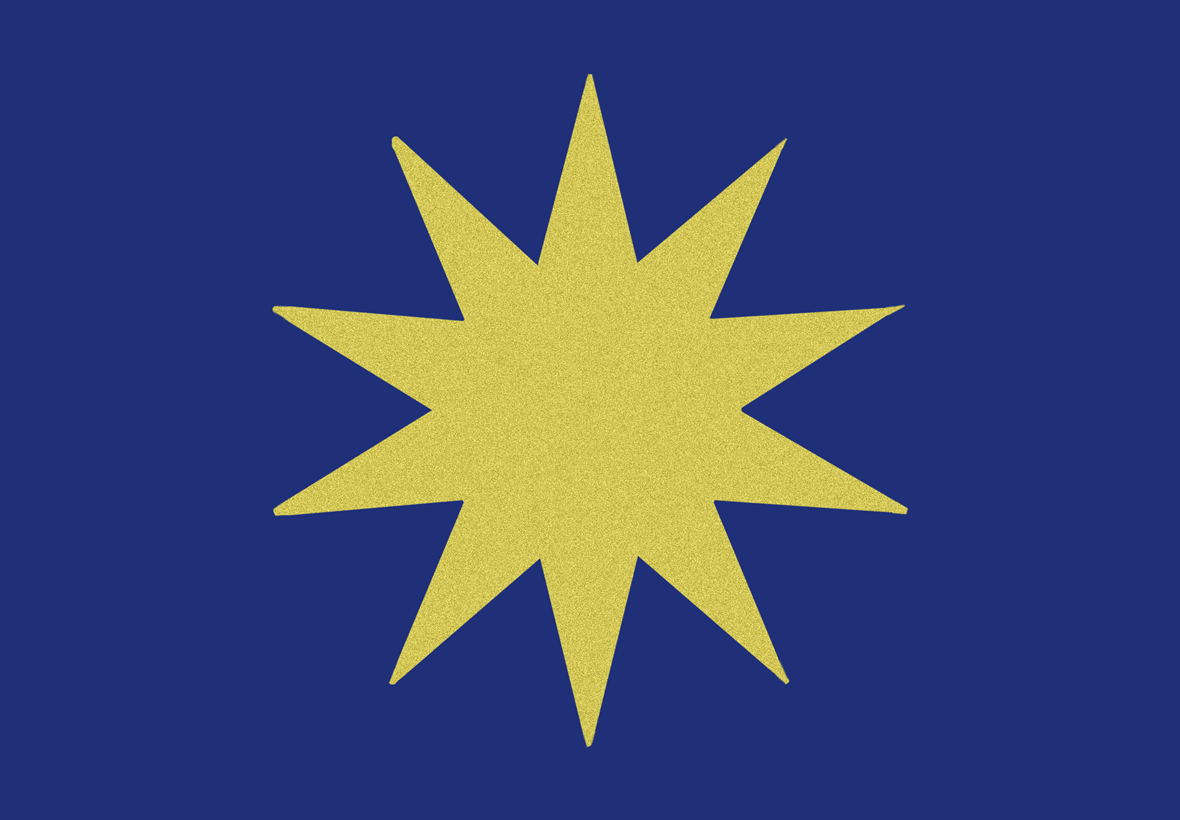
Apella: Difference between revisions
Automated import from Scrivener lore |
No edit summary |
||
| (13 intermediate revisions by the same user not shown) | |||
| Line 1: | Line 1: | ||
{{Infobox | {{Infobox | ||
| name = Apella | | name = Apella | ||
| image = apella.png | |||
| label1 = Capital | |||
| value1 = Thespia | |||
| label2 = Citizens | |||
| value2 = Thespians | |||
| label3 = Leader | |||
| value3 = The Archon | |||
| label4 = Economic Focus | |||
| value4 = Arts and Entertainment | |||
| label5 = Currency | |||
| value5 = Flowers | |||
| label6 = Paper of Record | |||
| value6 = The Thespian | |||
}} | }} | ||
== Summary == | |||
The island state of Apella was the 6th established [[13 Colonies|colony]] of Vinland. It is located in the northern part of the [[Bay of Liberty]]. It has the nation's preeminent theaters, galleries, and concert halls, and serves as the biggest entertainment hub for [[United Vinland]]. Its leader is the mysterious [[Archon]], but all management of the state is controlled through the [[Esquires]], the Archon's personal representation. | |||
== Founding and Colonial Era == | |||
Apella was established as a colony following [[Deus Ultima]]'s sixth divorce to the flamboyant Apella Divine. As someone who loved the theater, Apella Divine established Castle Thespia to serve as a premier location in all of the colonies to see a play. | |||
With each successive generation, specialized stages for various types of performances were added to Castle Thespia. This setup soon created logical issues, but it wasn't until [[Cambria Unchained]] arrived in Apella that the massive renovation occurred which saw Castle Thespia torn down and the five famous theaters of Apella built in its place. The five theaters are the Paramount is for monologues, the Ogden is comedies, the Gothic is dramas, the Black is music, and finally, the Faux is improvisation. | |||
== Rebellion and Apella's Silence == | |||
The arrival of Cambria Unchained led to both the Apella Governor and the [[Ultima Church]] deferring their power to the demigod. This agreement worked well until the play ''Deus Man,'' a story inspired by [[Martin Keene|Martin Keene's]] ''[[The Natural Order]],'' was set for release. [[Warden Oranje]] ordered the play banned on account of its mockery of Deus Ultima, and upon [[Romeo the Rational|Romeo the Rational's]] agreement overruling Cambria Unchained's objection, the play was banned in Apella. | |||
[[ | For the Apellians, this level of censorship was unheard of, and soon after various pamphlets containing the most offensive stories began to appear in Apella. They were authored by a mysterious figure who called themself the Archon, and the pamphlets became a big hit in the colony. Reluctantly, Cambria Unchained clamped down on their distribution, and in return, the Apellians started an event known as [[Apella's Silence]]. They canceled all plays, stopped their touring performances, and altogether shut down Apella's economy through silent inaction. | ||
== War of Revolutions == | |||
Due to Cambria Unchained and the [[The Blessed|Blessed]] leaving Apella to quell the various violent rebellions in [[Valhalmont]], [[Longa]], [[Ohya]], and [[Tyr]], Apella did not see any active battles during the war. The sole death came from Governor Parch whose body was found on the stage of the Ogden Theater. The Archon took credit for the murder through a confession in Apella's newspaper, The Thespian. In addition to this confession, the Archon claimed leadership for Apella and laid out their vision for how Apella would be ran free from Deus Ultima's rule. | |||
== The State == | |||
Apella would be a state where everyone could address their issues via the use of the stage. Any infrastructure could be proposed by Thespians, and upon receiving a cost by the Esquires, performances would be held to pay for such state spending. When potential laws had opposing sides, both factions would hold performances, and whoever brought in the highest revenue with a fixed price of entry would see their version of the law established. | |||
[[Category:Places]] | [[Category:Places]] | ||
[[Category: | [[Category:States]] | ||
Latest revision as of 17:50, 8 July 2026

Summary
The island state of Apella was the 6th established colony of Vinland. It is located in the northern part of the Bay of Liberty. It has the nation's preeminent theaters, galleries, and concert halls, and serves as the biggest entertainment hub for United Vinland. Its leader is the mysterious Archon, but all management of the state is controlled through the Esquires, the Archon's personal representation.
Founding and Colonial Era
Apella was established as a colony following Deus Ultima's sixth divorce to the flamboyant Apella Divine. As someone who loved the theater, Apella Divine established Castle Thespia to serve as a premier location in all of the colonies to see a play.
With each successive generation, specialized stages for various types of performances were added to Castle Thespia. This setup soon created logical issues, but it wasn't until Cambria Unchained arrived in Apella that the massive renovation occurred which saw Castle Thespia torn down and the five famous theaters of Apella built in its place. The five theaters are the Paramount is for monologues, the Ogden is comedies, the Gothic is dramas, the Black is music, and finally, the Faux is improvisation.
Rebellion and Apella's Silence
The arrival of Cambria Unchained led to both the Apella Governor and the Ultima Church deferring their power to the demigod. This agreement worked well until the play Deus Man, a story inspired by Martin Keene's The Natural Order, was set for release. Warden Oranje ordered the play banned on account of its mockery of Deus Ultima, and upon Romeo the Rational's agreement overruling Cambria Unchained's objection, the play was banned in Apella.
For the Apellians, this level of censorship was unheard of, and soon after various pamphlets containing the most offensive stories began to appear in Apella. They were authored by a mysterious figure who called themself the Archon, and the pamphlets became a big hit in the colony. Reluctantly, Cambria Unchained clamped down on their distribution, and in return, the Apellians started an event known as Apella's Silence. They canceled all plays, stopped their touring performances, and altogether shut down Apella's economy through silent inaction.
War of Revolutions
Due to Cambria Unchained and the Blessed leaving Apella to quell the various violent rebellions in Valhalmont, Longa, Ohya, and Tyr, Apella did not see any active battles during the war. The sole death came from Governor Parch whose body was found on the stage of the Ogden Theater. The Archon took credit for the murder through a confession in Apella's newspaper, The Thespian. In addition to this confession, the Archon claimed leadership for Apella and laid out their vision for how Apella would be ran free from Deus Ultima's rule.
The State
Apella would be a state where everyone could address their issues via the use of the stage. Any infrastructure could be proposed by Thespians, and upon receiving a cost by the Esquires, performances would be held to pay for such state spending. When potential laws had opposing sides, both factions would hold performances, and whoever brought in the highest revenue with a fixed price of entry would see their version of the law established.